
Ultimate Guide to Power Washing Tools for Every Job
Find out how to choose the right power washing equipment that provides high performance and ease of use across different tasks.
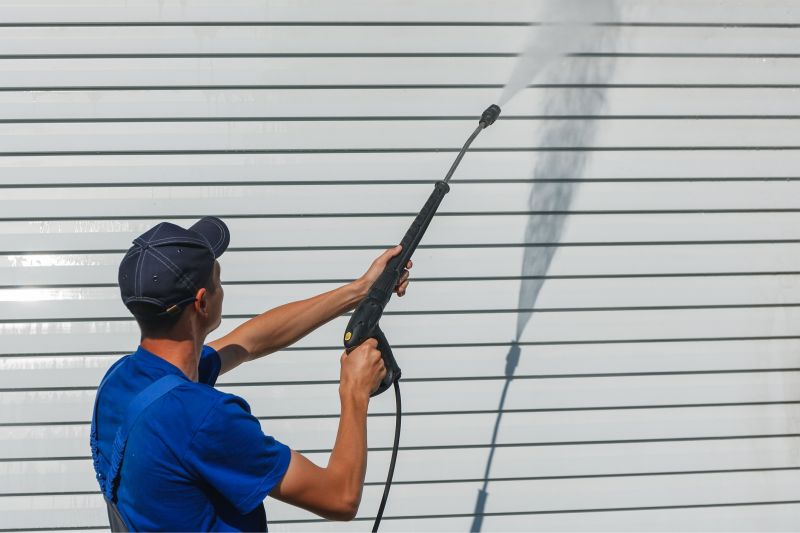 Power washing is an effective method for cleaning various surfaces around homes and commercial properties. It involves using high-pressure water streams to remove dirt, grime, mold, and other buildup from surfaces such as siding, decks, driveways, and fences. The right equipment can make a significant difference in achieving optimal cleaning results while ensuring safety and efficiency. Whether you are a homeowner looking to refresh your outdoor spaces or a professional cleaning service provider, selecting suitable power washing products is essential.
Top Overall Option
Variable Pressure Power Washer
A versatile variable pressure power washer offers adjustable settings to accommodate a range of cleaning tasks, from gentle surface cleaning to heavy-duty grime removal. Its adaptable pressure control helps prevent damage to delicate surfaces while providing sufficient force for tougher stains. Many models feature interchangeable nozzles, long hoses, and ergonomic designs for ease of use. Suitable for residential and light commercial applications, this type of power washer can be a valuable addition to any cleaning toolkit.
Types of Products For Power Washings
Gas-Powered Power Washers
These units provide high pressure and mobility, ideal for large-scale or outdoor cleaning projects where a power outlet is unavailable.
Electric Power Washers
Lightweight and quieter, electric models are suitable for smaller areas and residential use, offering ease of operation.
Surface Cleaners
Attachments designed to clean large flat surfaces evenly, reducing cleaning time and improving results.
Pressure Washer Nozzles
Various nozzles provide different spray patterns and pressures, allowing customization for specific cleaning tasks.
Extension Wands
Extend reach for high or hard-to-access areas, enhancing safety and convenience.
Detergent Injectors
Allow for the application of cleaning solutions during power washing, increasing effectiveness on tough stains.
Portable Power Washers
Compact and lightweight units designed for mobility and easy storage, suitable for quick jobs.
Commercial-Grade Power Washers
Heavy-duty units built for frequent use and larger projects, offering higher durability and performance.
Cold Water Power Washers
Operate with cold water, suitable for general cleaning tasks without the need for heated water.
Hot Water Power Washers
Utilize heated water to effectively remove grease, oil, and stubborn stains, ideal for industrial or automotive cleaning.
Electric Cordless Power Washers
Battery-powered units offering portability without cords, suitable for quick or remote jobs.
Trailer-Mounted Power Washers
Designed for large-scale commercial use, these units can be transported easily for extensive cleaning projects.
Popular Choices
Ideal for small to medium tasks around the home, offering ease of use and storage.
Suitable for demanding outdoor cleaning projects requiring high pressure and extended operation.
Enhance efficiency when cleaning patios, driveways, and decks with wide-area surface cleaners.
Provide concentrated spray patterns for stubborn stains and deep cleaning.
Allow access to high or hard-to-reach areas safely and comfortably.
Facilitate the application of cleaning solutions for tougher stains and buildup.
Compact units with battery power, suitable for quick, on-the-go cleaning jobs.
Robust units designed for frequent use and large-scale cleaning requirements.
Versatile for general cleaning, with no heating element required.
Effective for removing grease and oil, especially in automotive and industrial settings.
Freedom from cords enhances maneuverability for quick tasks and remote locations.
Ideal for large commercial jobs requiring extensive coverage and mobility.
Power washing equipment varies widely in terms of pressure output, flow rate, and design features. Gas-powered units tend to offer higher pressure and greater mobility, making them suitable for larger projects. Electric models are often lighter and quieter, ideal for smaller tasks or residential use. Additionally, accessories such as different nozzles, extension wands, and surface cleaners can enhance versatility and performance. Proper maintenance and understanding of each product's specifications can help prolong equipment lifespan and improve cleaning outcomes.
When choosing power washing products, it is important to consider compatibility with your existing tools, ease of use, and safety features. The right pressure setting is crucial to avoid damaging delicate surfaces while still removing stubborn grime. Investing in quality hoses, nozzles, and detergents can also contribute to more effective cleaning sessions. By understanding the different types of equipment and their features, users in Bloomington, IN, can make informed decisions that suit their specific cleaning needs and project sizes.
Key Buying Considerations
- Determine the primary cleaning tasks to select appropriate pressure and flow rates.
- Decide between gas and electric models based on mobility, noise, and power needs.
- Evaluate the availability and compatibility of accessories such as nozzles and surface cleaners.
- Check the maximum pressure and flow rate to ensure suitability for your surfaces.
- Consider the length and flexibility of hoses for ease of maneuverability.
- Assess the weight and portability of the unit for ease of transport and storage.
- Review safety features like automatic shut-off, pressure regulators, and trigger locks.
- Look into maintenance requirements and ease of access to replace parts or perform upkeep.
- Determine if additional features like detergent injection or adjustable pressure are necessary.
- Evaluate the power source availability, especially if considering electric or cordless models.
- Consider the size of the project area to select a unit with appropriate capacity.
- Check for warranty and customer support options for long-term reliability.
- Review user ratings and reviews to gauge real-world performance and durability.
- Assess budget constraints while balancing quality and features.